

Ever looked in the mirror and noticed your teeth aren’t as straight as they used to be? Whether it’s been months or years since you finished braces or aligner treatment, some shifting is completely normal. This often leads patients to ask: Can retainers shift teeth back into place?
At Hilton Diminick Orthodontics, Dr. Hilton and Dr. Diminick guide patients on how retainers work, their limitations, and the steps needed to keep their smile aligned for life.
Can Retainers Shift Teeth Back: How Retainers Work
After orthodontic treatment, whether it be through traditional braces or clear aligners, your teeth really need time to settle. Retainers are your final phase of orthodontic care, which helps your teeth stabilize in their new position.
When braces are removed, the bone and surrounding tissues supporting your teeth are still stabilizing. If the teeth are not held in place long enough, they can gradually shift toward their previous positions. This is exactly why retainers are essential — can retainers shift teeth back? Yes, they help maintain alignment and prevent unwanted movement. Choosing the right retainer types ensures comfort, effectiveness, and long-term protection for your smile.
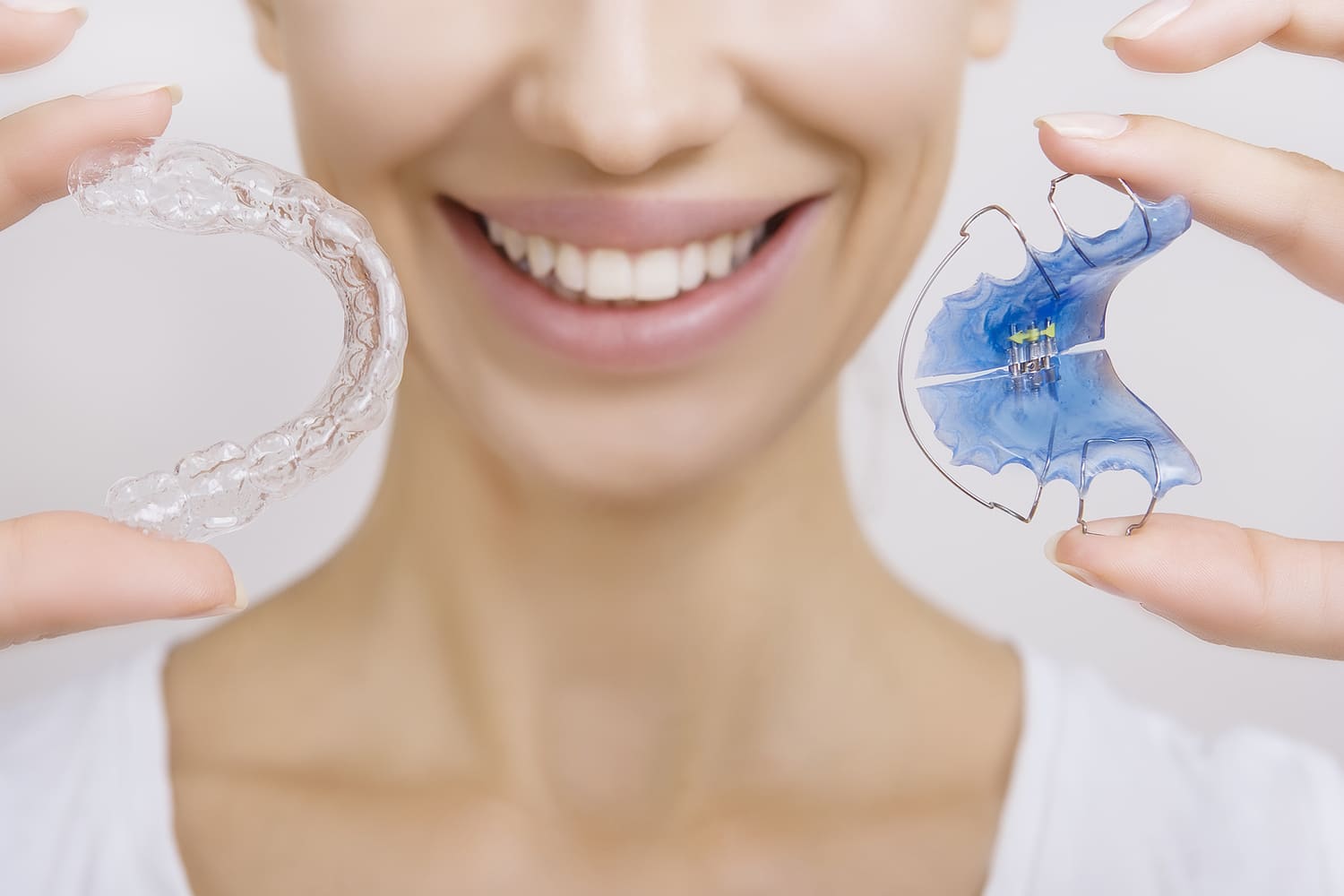
Types of Retainers:
- Removable retainers: These are typically manufactured from clear plastic or acrylic.
- Fixed retainers: A thin wire bonded discreetly behind the teeth.
- Essix retainers: Similar to aligners, each tooth is covered snugly.
Each type of retainer serves a specific purpose based on the individual’s treatment history and the level of stability their teeth need.
Do Retainers Shift Teeth Back Naturally?
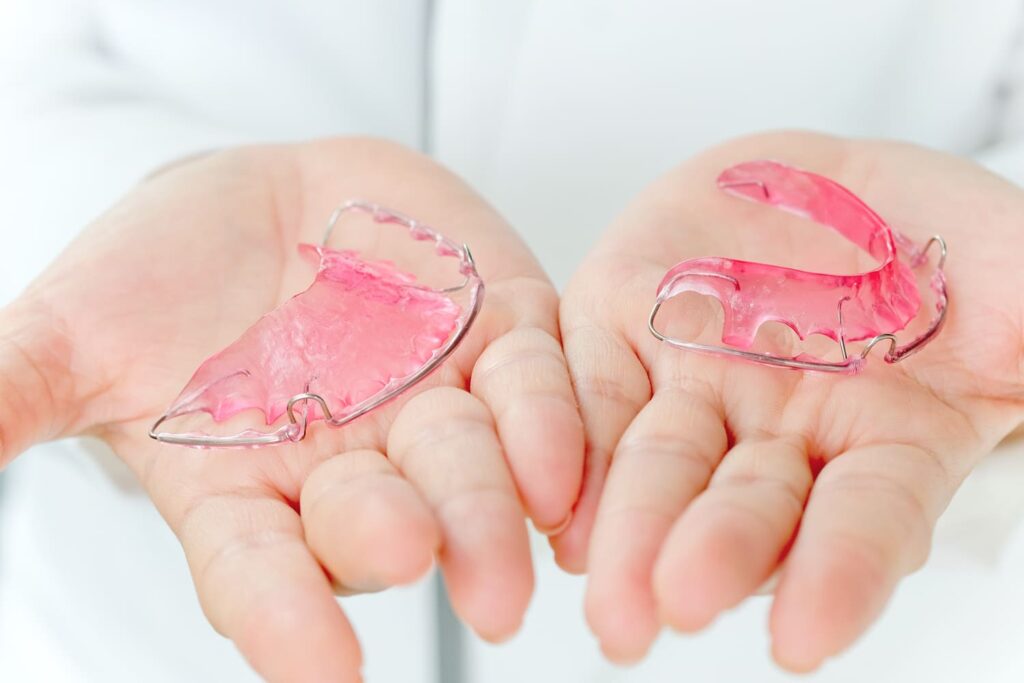 A retainer can shift teeth back slightly, but only when the movement is minimal. Retainers maintain your teeth’s position—they aren’t intended to move teeth the way braces or aligners do.
If your teeth have shifted only slightly, wearing your retainer consistently may help guide them back into alignment. However, if the shift is more significant, you’ll need professional treatment—such as Invisalign or braces—to move them safely and effectively.
Factors affecting the determination of a retainer to move teeth back:
- Time elapsed after orthodontic treatment ended.
- Extent of movement
- Type of retainer: Hawley, Essix, or fixed.
- How consistently the retainer has been worn.
Our orthodontists at Hilton Diminick Orthodontics carefully evaluate these factors before making a personalized recommendation.
When Teeth Shifting Becomes Noticeable
Various conditions can cause tooth movement over time, even post-treatment. These include the following:
- Natural aging of facial and jaw structures.
- Teeth grinding or clenching.
- Gum recession or bone loss.
- Skipping nightly retainer wear.
If your retainer feels tight when you first put it back in, it usually means your teeth have started to shift. Wearing it for the recommended time may help them settle back slightly — can retainers shift teeth back? Yes, it can, but forcing a retainer that no longer fits can cause pain or even damage your teeth and the retainer. Proper retainer cleaning is also essential to keep it hygienic, comfortable, and effective in maintaining your smile.
Serving patients in the Camp Hill, Carlisle ,and Harrisburg, Pennsylvania area, our team provides precise guidance on whether you need a new retainer or minor realignment with Invisalign or braces.
What to Do If Teeth Have Shifted Too Much
If your teeth have shifted beyond the level a retainer can correct, it will no longer be able to move them back into proper alignment. In such cases, Dr. Hilton and Dr. Diminick may recommend:
- A custom adjustment or replacement retainer.
- Short-term aligner treatment to reposition teeth.
- Digital imaging in evaluating bite changes.
Once your teeth are realigned, a new retainer will help keep them stable.
Pro Tip: Store and clean your retainer properly, and schedule regular checkups to ensure it stays effective.
Importance of Wearing Your Retainer Regularly
Even brief lapses in wear can cause subtle shifting over time. The general rule is
- Immediately post-treatment: full-time wear of the retainer (22 hours/day) for 3–6 months.
- After stabilization, continue nightly or part-time wear indefinitely.
Consistency is key. Retainers protect your smile, and even a week without them can undo months of progress. Can retainers shift teeth back? Yes — when worn consistently, retainers help maintain alignment and prevent teeth from moving.
Each retainer at Hilton Diminick Orthodontics is custom-made for comfort and durability. We’ll make sure you understand how to wear and care for it properly.
How Our Orthodontic Team Can Help
Not only does the expert team at Hilton Diminick Orthodontics fit retainers, but they also help preserve the results of your whole orthodontic process.
Meet Our Doctors:
- Dr. Edward Hilton – Renowned for advanced orthodontic technologies, placing the interests of the patient first.
- Dr. Kenneth Diminick – Specializing in complex alignment issues and smile aesthetics.
With the expertise of our clinical team, we deliver personalized solutions—from replacement retainers and advanced digital tracking to modern alignment options.
Whether your teeth have shifted slightly or significantly, we provide treatment tailored to your needs.
Can Retainers Be Used Like Invisalign?
This is a common question. While both retainers and aligners look similar, particularly clear Essix retainers, they serve different purposes:
- Invisalign aligners use gentle, controlled pressure to gradually move your teeth into the desired position.
- Retainers keep your teeth in place and prevent them from shifting.
If your teeth have noticeably shifted, a short Invisalign treatment may be the better option. Dr. Hilton and Dr. Diminick can confirm this during your evaluation.
Signs You May Need a New Retainer
It may be time to replace your retainer if:
- It feels too tight or loose.
- It cracks or warps.
- You notice visible changes in your smile.
- It no longer sits properly or tightly on your teeth.
Removable retainers typically last between 1 and 3 years. If yours is worn out or no longer fitting properly, visit us at Hilton Diminick Orthodontics for a replacement to help keep your teeth in the correct position.
Preventing Future Shifting
Keeping your teeth aligned long-term comes down to simple habits:
- Wear your retainer as prescribed.
- Schedule regular orthodontic check-ups.
- Store your retainer safely in its case when not in use.
- Heat can ruin plastic retainers, so keep them away from it..
- Maintain good daily oral hygiene.
Simple routines can make a big impact on your smile’s long-term health.
Why Choose Hilton Diminick Orthodontics
Choosing the right orthodontic team helps ensure your smile stays straight and healthy for years to come. At Hilton Diminick Orthodontics, we blend technology with experience and compassion.
What sets our practice apart:
- Two expert orthodontists with decades of combined experience.
- Advanced digital scanning and personalized treatment planning.
- Convenient locations across central Pennsylvania.
- Friendly, educated staff focused on patient comfort.
Our goal is simple: help every patient maintain a confident, long-lasting smile.
Schedule a Consultation
If you’re wondering, ‘Can retainers shift teeth back?’ it’s a good time to seek professional advice. Whether your teeth have moved slightly or you need a full re-alignment, Hilton Diminick Orthodontics has the technology and experience to bring your smile back into perfect harmony.
Ready to see if your retainer can shift teeth back? Contact our Camp Hill, Carlisle or Harrisburg, Pennsylvania, offices today. Dr. Edward Hilton, Dr. Kenneth Diminick, and our friendly team will evaluate your smile, answer all your questions, and create a personalized plan of action tailored just for you.
Call today or schedule online to start your journey back to the confident smile you deserve!
Frequently Asked Questions
Can a retainer shift teeth back if I stopped wearing it for months?
The old retainer may help shift teeth back slightly if the gap or shift is minor. An orthodontic evaluation is indicated with moderate changes.
How long does it take for retainers to shift teeth back?
If possible, results may be achieved within days to weeks. Major changes involve specific orthodontic treatments.
Is it safe to force in a tight retainer?
No. It will damage teeth or gums. Instead, make an appointment so that a professional can make an adjustment or refit a new retainer.
How often should I wear my retainer?
Immediately following treatment, full-time wear is necessary. Later, for maintenance, it is usually sufficient to wear it at night.
What happens if teeth move too much?
If shifting is significant, your orthodontist may recommend Invisalign or limited braces to realign them before issuing a new retainer.
Are clear retainers effective for long-term stability?
Yes, clear retainers are discreet, comfortable, and effective if worn as instructed. They work for the majority of patients who wear them correctly.
What areas does Hilton Diminick Orthodontics serve?
We proudly serve patients from Camp Hill, Harrisburg, Carlisle, and surrounding communities in Pennsylvania.


OFFICE HOURS
M-TH: 7:30am – 4:00pm
(Carlisle Closed Thursday)
CARLISLE OFFICE OPEN FRIDAYS
8:00am – 1:00pm


Areas Served
© Copyright 2026 – Hilton • Diminick Orthodontics. Orthodontic Marketing & Website Design by Ortho Marketing . Accessibility
 Camp Hill, PA
  Camp Hill, PA