

Quick answer: Invisalign at Hilton Diminick Orthodontics typically costs $4,000 to $7,000, and most full treatments fall between $4,500 and $5,500. Your price depends on how complex your bite is, how many aligners you need and how long treatment runs, often 12 to 18 months. Insurance, HSA or FSA funds and payment arrangements can lower what you pay out of pocket.
Want your own Invisalign price instead of an average?
An exam and digital scan are the only way to know how many aligners your case needs. Pick the step that fits where you are:
What Changes the Price of Invisalign?
| Cost factor | How it affects your price | What to ask at your consultation |
|---|---|---|
| Case complexity | Mild spacing or crowding needs fewer aligners than a crossbite or deep overbite, so it usually costs less. | Is my case mild, moderate or complex? |
| Number of aligners and refinements | More trays and extra refinement rounds raise lab and visit costs. | Are refinement aligners included in the quoted fee? |
| Treatment length | Most cases take 12 to 18 months; some finish in 3 to 6 months and others take 24 months or longer. | How long do you expect my treatment to take? |
| Retainers after treatment | Retainers are a separate cost at many offices. Our optional 10-year Retainer Protection Program is $695. | Is my first set of retainers included? |
| Insurance and tax-free accounts | Orthodontic benefits, HSA and FSA dollars reduce your out-of-pocket amount. | How much of my plan’s orthodontic benefit applies to aligners? |
| Provider training | Orthodontists complete 2 to 3 years of specialty training after dental school, which shapes how treatment is planned and monitored. | Who plans and checks my aligner treatment? |
What Is Invisalign?
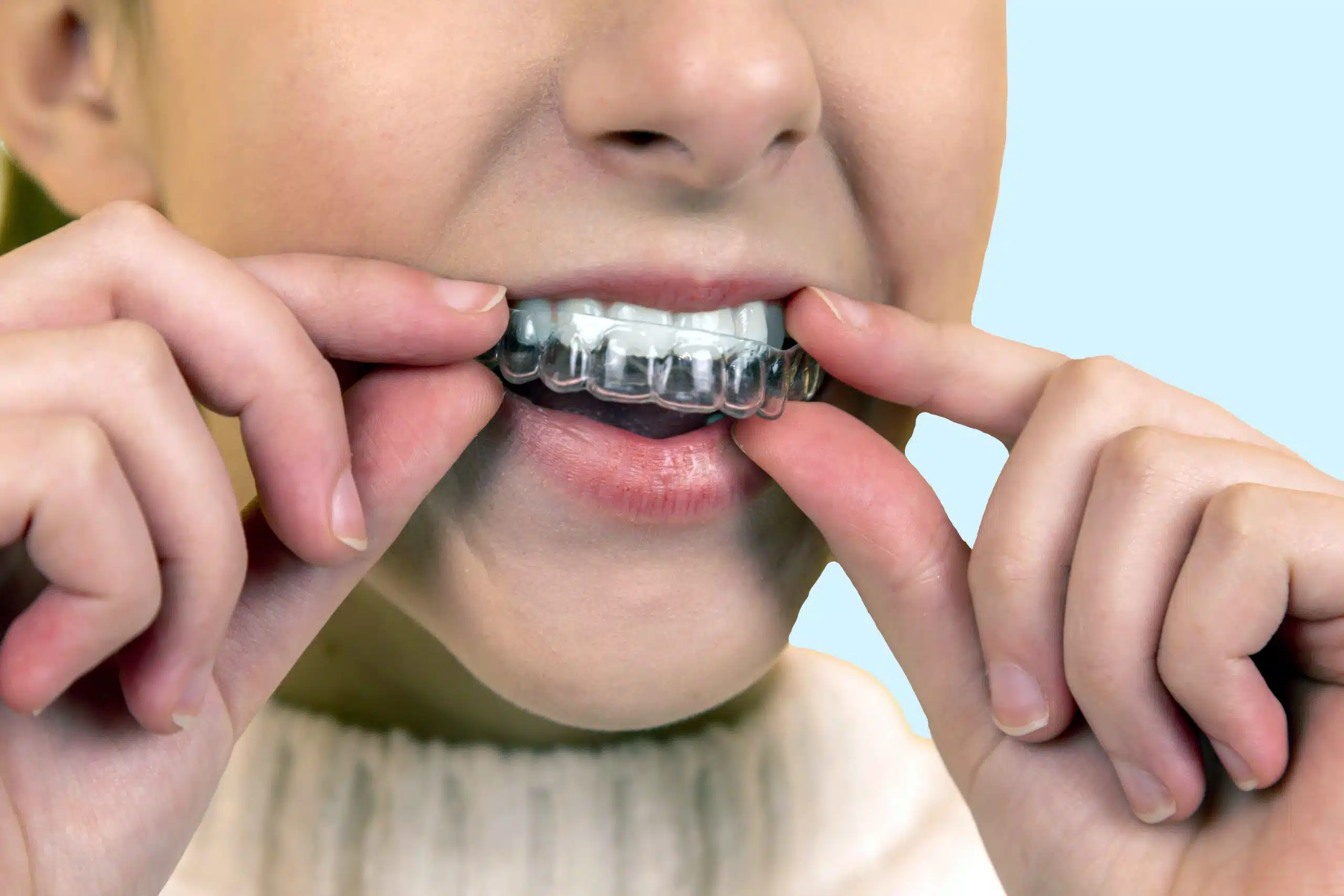
Invisalign is a system of clear, removable aligner trays that move teeth in small steps without brackets or wires. You switch to a new set of trays on a schedule your orthodontist sets, and each set shifts your teeth a little closer to their planned position. Our orthodontists provide Invisalign treatment for teens and adults at our Harrisburg, Camp Hill and Carlisle offices.
Because the trays come out for meals, you can eat what you like and brush and floss normally. The tradeoff is discipline: aligners only work when you wear them 20 to 22 hours a day.
How Much Does Invisalign Cost With and Without Insurance?
Without insurance, Invisalign typically runs $4,000 to $7,000 at our practice, and most full treatments land between $4,500 and $5,500. For comparison, traditional wire braces range between $3,000 and $7,000, and Invisalign itself says aligner treatment usually costs about the same as braces. If you’re weighing the two, our post on whether Invisalign is cheaper than braces walks through the numbers.
With insurance, the answer depends on your plan. Many dental plans include an orthodontic benefit that applies to aligners the same way it applies to metal braces. Others cover braces only, treat aligners as cosmetic, or cap orthodontic coverage at a lifetime maximum. Invisalign reports that insurance may cover up to $3,000 of orthodontic treatment. Our office files orthodontic insurance forms for you and participates with Blue Cross Dental, Blue Cross Dental CHIP and most United Concordia plans. Check your coverage on our accepted insurance page before your visit.
You can also pay with a Health Savings Account (HSA) or Flexible Spending Account (FSA), which uses pre-tax dollars. If your total medical and dental expenses for the year top 7.5% of your adjusted gross income, orthodontic costs may also be deductible. Ask a tax professional how this applies to you.
How Long Does Invisalign Treatment Take?
Most Invisalign cases take 12 to 18 months. Minor spacing can finish in 3 to 6 months, while complex bite problems can take 24 to 36 months. Treatment time ties directly to cost because longer cases need more aligners and more check-ins. For a closer look at timelines, read how long Invisalign takes to work.
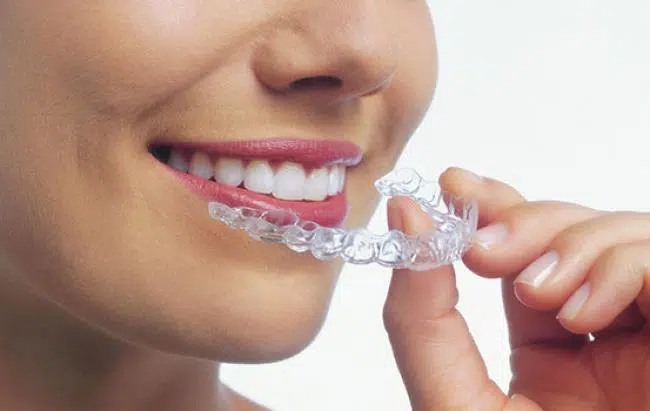
Your daily wear time matters as much as the plan. Trays left in the case don’t move teeth, and skipped hours can add weeks or extra refinement aligners to your treatment.
What Factors Affect How Much You Will Pay for Invisalign?
Three things drive most of the difference between one quote and another:
- Your bite. Spacing and light crowding are simpler than rotated teeth or bite problems. Invisalign can handle a wide range of cases, including Invisalign for crowding, but more complex movements need more trays.
- Where you’re treated. Fees vary by region and by office.
- Who plans your treatment. Align Technology ranks providers by how many cases they treat. Our post on Invisalign provider tiers explains what each level means.
Children ages 6 to 10 may be candidates for Invisalign First, which is priced on its own treatment plan.
Why Is Invisalign More Expensive Than Other Aligners?
Mail-order aligners skip the in-person exam, the digital scan and the regular progress checks. With Invisalign through an orthodontic office, a doctor plans every tooth movement, monitors your progress in person, and adjusts the plan when teeth don’t track. Providers also complete Invisalign training and keep their certification current, which adds cost. What you pay for is supervision: problems get caught early instead of after a full set of trays.
If you’re comparing options, Clarity ceramic braces are another lower-visibility choice with tooth-colored brackets.
Dr. Kenneth Diminick, DDS
Dr. Diminick earned his DDS and his graduate orthodontic degree at Temple University and is a Diplomate of the American Board of Orthodontics. He is a member of the American Association of Orthodontists and the American Dental Association and has practiced orthodontics in central Pennsylvania since 1987.
Frequently Asked Questions
How much is Invisalign with insurance?
It depends on your plan’s orthodontic benefit. If your plan treats aligners like braces, the benefit comes off the total fee, and Invisalign reports that insurance may cover up to $3,000 of orthodontic treatment. Our office can file your orthodontic insurance forms and estimate your share at your consultation.
How much is Invisalign without insurance?
At Hilton Diminick Orthodontics, Invisalign typically costs $4,000 to $7,000 without insurance, and most full treatments fall between $4,500 and $5,500. Simple spacing cases sit at the lower end, while complex bite corrections sit at the higher end. HSA or FSA funds can still be used without insurance.
Is Invisalign more expensive than braces?
Usually not by much. Invisalign and traditional braces fall in similar price ranges, and the final cost of either depends on case complexity and treatment length. An exam is the only way to compare both options for your teeth.
Can I use my HSA or FSA to pay for Invisalign?
Yes. Invisalign is an orthodontic treatment, so HSA and FSA funds can be applied to it, which lets you pay with pre-tax dollars. Check your plan’s annual limits before your consultation so you can time your contributions.
Why do Invisalign prices vary so much between offices?
Each quote reflects the number of aligners, the expected treatment length, whether refinements and retainers are included, and the provider’s local fees. When comparing quotes, ask each office what the fee covers from first scan to final retainer.
Get Your Invisalign Price at Hilton Diminick Orthodontics
We see patients of all ages at three offices: 3925 Linglestown Road in Harrisburg, 3412 Trindle Road in Camp Hill and 10 Noble Boulevard in Carlisle. Families from nearby towns visit our orthodontist office in Camp Hill or our Carlisle orthodontics team. At your first visit, we’ll scan your teeth, give you a treatment estimate and review payment options with you.
Schedule your Invisalign consultation or call 1.833.321.7878.


OFFICE HOURS
HARRISBURG AND CAMP HILL
MON-TUE: 8:00 AM – 5:00 PM
WED-THU: 7:30 AM to 4:00 PM
FRI-SUN: CLOSED
CARLISLE
MON-TUE: 7:30 AM – 4:30 PM
WED: 7:30 AM to 4:00 PM
FRI: 8:00 AM – 1:00 PM
THU,SAT,SUN: CLOSED


Areas Served
© Copyright 2026 – Hilton • Diminick Orthodontics. Orthodontic Marketing & Website Design by Ortho Marketing . Accessibility
 Camp Hill, PA
 Camp Hill, PA