

After braces or clear aligners come off, many people assume the hard work is done. In reality, this is when retention begins. Teeth naturally want to shift back toward their original positions, which is why retainers play such an important role after orthodontic treatment. There are several kinds of retainers, each designed to support long-term results in different ways. Understanding how they work can help patients and parents feel more confident about wearing and caring for them.
This guide breaks down the most common retainer options, how they’re used, and what to expect over time—all in clear, patient-friendly terms.
What Is a Retainer and Why Is It Important?
A retainer is an orthodontic appliance worn after braces or Invisalign to hold teeth in their corrected positions. Even after treatment ends, the bone and surrounding tissues need time to stabilize. Without consistent retention, teeth can gradually move, sometimes undoing months or years of orthodontic work.
Retainers help:
- Maintain straight teeth after treatment
- Protect bite alignment
- Support long-term oral health
- Reduce the risk of orthodontic relapse
Whether treatment was recent or many years ago, orthodontic retainers are often part of lifelong care.
The Main Kinds of Retainers Explained
There are three primary options used today. Each serves the same purpose but works a little differently depending on the patient’s needs, habits, and treatment history.
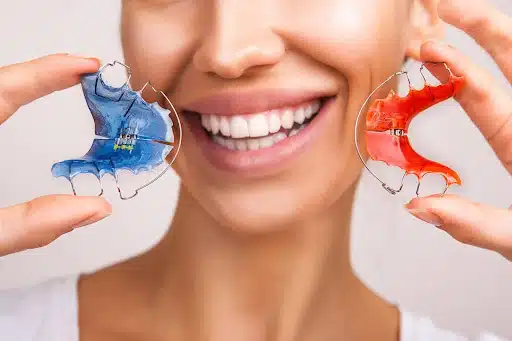
Hawley Retainers
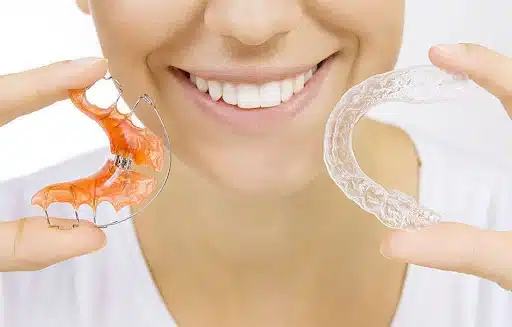
Hawley retainers are the traditional wire-and-acrylic design many people recognize. They sit on the roof of the mouth or along the inside of the lower teeth, with a metal wire across the front.
Why some patients choose Hawley retainers
- Adjustable if minor changes are needed
- Durable and long-lasting
- Allow natural contact between teeth
Because they’re visible when worn, they’re often chosen for younger patients who may need adjustments as they grow.
Clear (Essix-Style) Retainers
Clear retainers are made from thin, transparent plastic that fits snugly over the teeth, similar to clear aligners. They’re popular for their discreet appearance.
Why patients like clear retainers
- Nearly invisible when worn
- Comfortable and lightweight
- Easy to remove for eating and cleaning
These are commonly recommended after Invisalign treatment but are also widely used after braces.
Fixed or Permanent Retainers
Fixed retainers consist of a thin wire bonded to the back of the front teeth, usually on the lower arch. They’re not removable and work continuously.
Benefits of fixed retainers
- No risk of forgetting to wear them
- Constant retention for teeth prone to shifting
- Hidden behind the teeth
They require excellent oral hygiene, since plaque can build up around the wire if not cleaned properly.
Table – Types of Retainers Compared
| Retainer Type | Visibility | Durability | Maintenance Needs | Ideal Patients |
|---|---|---|---|---|
| Hawley | Visible | High | Daily cleaning, occasional adjustments | Growing teens, patients needing flexibility |
| Clear (Essix) | Low | Moderate | Gentle cleaning, replacement over time | Adults, Invisalign patients |
| Fixed/Permanent | Hidden | High | Careful brushing and flossing | Patients with high relapse risk |
This overview helps clarify the most common types of retainers and how they compare in everyday use.
How to Choose the Right Retainer
Choosing among the different kinds of retainers isn’t a one-size-fits-all decision. Orthodontists consider several factors, including:
- Treatment history – Some tooth movements are more likely to relapse than others.
- Bite stability – Certain bite corrections need long-term or permanent retention.
- Lifestyle and habits – Comfort, visibility, and ease of wear all matter.
- Age and growth – Younger patients may need adjustable options as their jaws develop.
The goal is to match the retainer to the patient’s long-term orthodontic needs, not just short-term convenience.
How to Care for and Maintain Your Retainer
Proper care helps extend the life of all dental retainers types and keeps teeth healthy.
Step-by-step retainer care
- Rinse the retainer with lukewarm water after removal.
- Clean daily using a soft toothbrush and non-abrasive cleaner.
- Avoid hot water, which can warp plastic retainers.
- Store removable retainers in a protective case when not in use.
- Brush and floss carefully around fixed retainers every day.
Good habits prevent odor, discoloration, and damage—common reasons retainers need early replacement.
What Happens If You Don’t Wear Your Retainer?
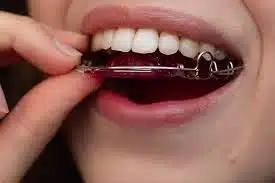
Skipping retainer wear can lead to gradual tooth movement, sometimes within weeks. Early shifting may feel minor, but over time it can affect bite alignment and appearance.
Without retention:
- Teeth can crowd or rotate
- Bite changes may cause discomfort
- Retainers may no longer fit
There are different kinds of retainers, and wearing the one prescribed—whether removable or fixed—is essential for maintaining results.
Long-term retention protects the investment made during orthodontic treatment and helps results last.
Retainer Protection Program
Retainers are an essential part of keeping your smile straight long after braces or Invisalign treatment ends. Because retainers can be lost, damaged, or need replacement over time, Hilton-Diminick Orthodontics offers a 10-year Retainer Protection Program designed to reduce long-term replacement costs.
Without coverage, two lost or broken sets of retainers can cost up to $800. For $695, patients can enroll in the program and replace their retainers at a reduced fee of:
- $50 for clear retainer replacement
This program protects against common situations such as:
- Retainers accidentally thrown away at school
- Pets chewing on them
- Changes after dental work or crowns
- Waiting for dental implants
- Nighttime grinding
Program details:
- Fees are non-refundable and non-transferable
- Limit of 6 sets per calendar year (upper and lower count as one set)
- Retainers with a pontic (false tooth) carry a small additional fee
- Retainers are not a substitute for active orthodontic re-treatment
This protection helps make long-term smile maintenance more affordable and predictable.
Meet the Orthodontic Team
At Hilton Diminick Orthodontics, retention planning is guided by experienced, board-certified orthodontists who focus on long-term stability—not just straight teeth at the end of treatment. The team includes Dr. Edward Hilton, Dr. Kenneth Diminick, Dr. Joseph Diminick, Dr. Katherine Hilton, and Dr. Melissa Seidel.
Their approach emphasizes individualized retention strategies and consistent follow-up to help patients maintain healthy, confident smiles for years to come.
Areas We Serve
Patients seeking orthodontic care and long-term retainer support visit Hilton Diminick Orthodontics from across Central Pennsylvania, including Carlisle, PA, Camp Hill, PA, and Harrisburg, PA. Retainer guidance is part of comprehensive orthodontic care for teens, adults, and families throughout the region.
Frequently Asked Questions
1. How long do I need to wear a retainer?
Most patients wear retainers full-time at first, then nightly long-term. Some level of retention is often recommended indefinitely.
2. Are clear retainers better than wire retainers?
Neither is universally better. The right choice depends on treatment needs, durability concerns, and patient preferences.
3. Can retainers fix minor shifting?
In some cases, a properly fitted retainer can help correct very minor movement, but significant shifting usually requires orthodontic treatment.
4. How often should a retainer be replaced?
Clear retainers may need replacement every few years. Hawley and fixed retainers can last longer with proper care.
5. What should I do if my retainer breaks?
Contact your orthodontic office promptly. Wearing a damaged or ill-fitting retainer can lead to tooth movement.
6. Can adults stop wearing retainers?
Teeth can shift at any age. Many adults continue wearing retainers at night to maintain alignment.
Schedule a Retainer Consultation
Retainers play a key role in keeping your teeth aligned after orthodontic treatment, but the right plan can look different for every patient. There are different kinds of retainers, and each is designed to support long-term results in a specific way. If your retainer feels uncomfortable, no longer fits properly, or you’re unsure how often you should be wearing it, a professional check can provide clarity and peace of mind. Even small changes in fit or wear habits can make a difference in long-term results.
Scheduling a retainer consultation with Hilton Diminick Orthodontics in Pennsylvania allows you to get personalized guidance from an experienced orthodontic team. Whether you need a replacement, adjustments, or reassurance that your retainer is doing its job, this visit helps ensure your smile stays healthy, stable, and well-maintained for years to come.


OFFICE HOURS
HARRISBURG AND CAMP HILL
MON-TUE: 8:00 AM – 5:00 PM
WED-THU: 7:30 AM to 4:00 PM
FRI-SUN: CLOSED
CARLISLE
MON-TUE: 7:30 AM – 4:30 PM
WED: 7:30 AM to 4:00 PM
FRI: 8:00 AM – 1:00 PM
THU,SAT,SUN: CLOSED


Areas Served
© Copyright 2026 – Hilton • Diminick Orthodontics. Orthodontic Marketing & Website Design by Ortho Marketing . Accessibility
 Camp Hill, PA
  Camp Hill, PA