


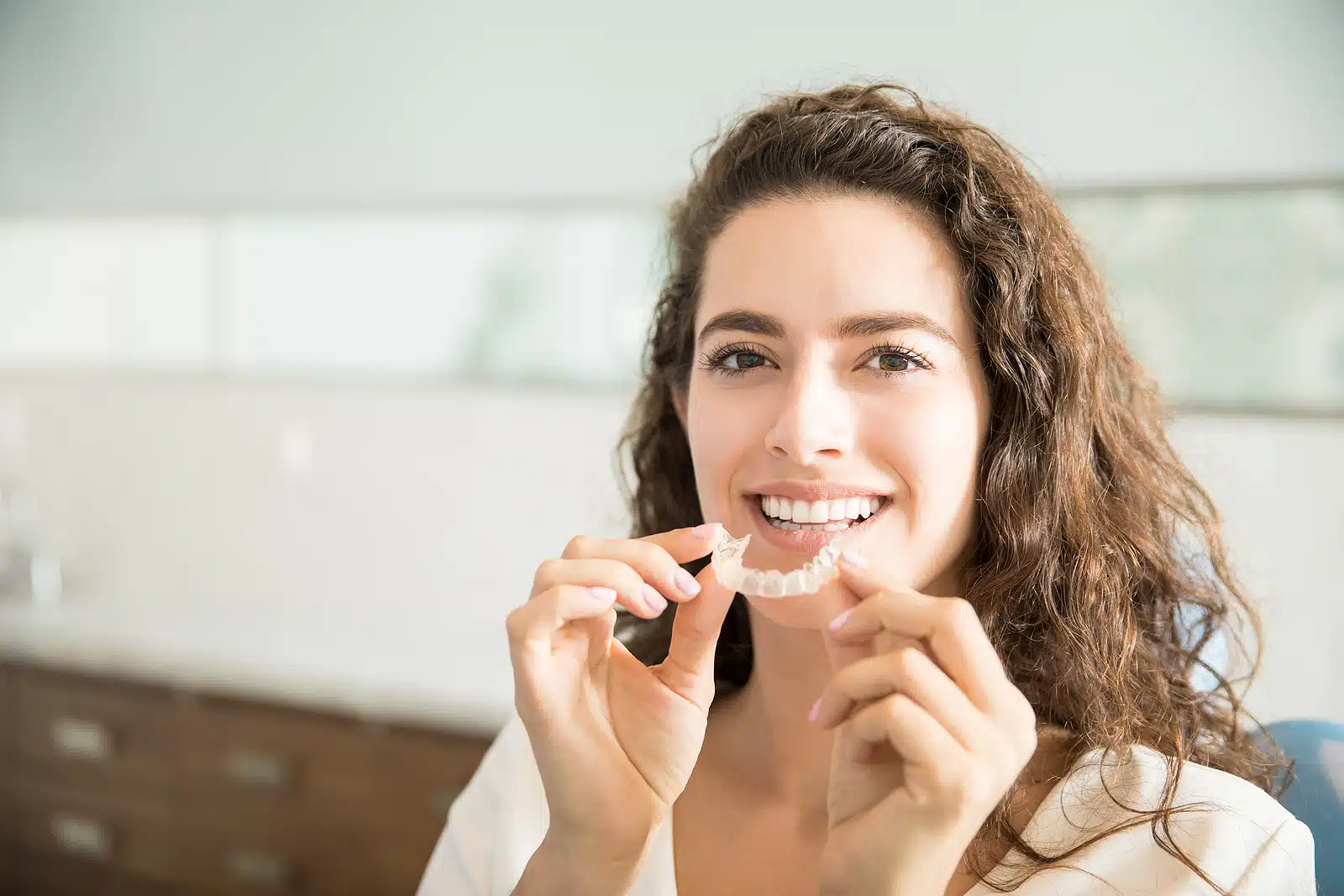
Finishing braces or Invisalign feels like the finish line but in truth, it’s just the start of a new phase: retention. You’ve invested time, money, and energy into straightening your smile, and now the question becomes: how long do you have to wear a retainer?
At Hilton Diminick Orthodontics, we often tell patients that the retainer is what protects the smile you worked so hard to achieve. It’s not a forever commitment in the way braces are, but it is an ongoing part of keeping your results. Fortunately, retainer wear doesn’t stay intense forever. It eases into a long-term habit that’s easy to manage and well worth the effort.
This page explains what to expect, how long you’ll need to wear your retainer, and why this step matters just as much as your original orthodontic treatment.
Why Retainers Are Essential After Orthodontic Treatment
When braces or aligners move your teeth, your body needs time to stabilize the results. The bone and ligaments that hold your teeth in place have been stretched and reshaped. Without reinforcement, those structures will naturally try to pull your teeth back to where they started. That’s where a retainer comes in.
A retainer holds your teeth in their new positions until your mouth fully adjusts. Without one, even a beautifully aligned smile can shift, sometimes in just a matter of weeks. Retainers are the only way to protect your results long term.
Some people assume that once the braces come off, the work is done. But your teeth don’t know they’re supposed to stay in place. They’re constantly responding to forces in your mouth chewing, grinding, even aging. That’s why understanding how long do you have to wear a retainer is so important. Consistent retainer wear helps keep your teeth stable and prevents the need for future correction.
So, How Long Do You Have to Wear a Retainer?
In the early days after treatment, your orthodontist will ask you to wear your retainer full-time. That usually means around 20 to 22 hours per day, only removing it for eating, brushing, and flossing. This intense phase typically lasts for three to six months, depending on how your teeth respond.
As your teeth settle into their new positions, you’ll be allowed to transition to nighttime wear. Most orthodontists recommend wearing your retainer every night while you sleep for at least a year. But the truth is, teeth can shift at any age and many adults experience some level of movement even decades after treatment.
That’s why long-term retention is so important. After the first year, your orthodontist may say you can wear your retainer a few nights per week, but most still encourage wearing it nightly for life. It’s not a punishment or overkill,it’s a small habit that protects years of progress.
What About Fixed vs. Removable Retainers?
The type of retainer you have can change how you wear it, but not how long.
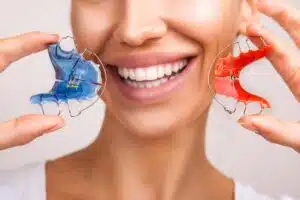
Removable retainers are the most common and come in clear plastic trays or acrylic models with wires. You’re in charge of putting them in every night. They’re easy to clean and discreet, but they also require personal responsibility. If you forget to wear them—or stop altogether—your teeth can begin to shift, often without you noticing.
Fixed retainers, on the other hand, are bonded to the back of your teeth, usually the lower front ones. Because they’re cemented in place, you don’t have to think about putting them in or taking them out. But they require extra care when brushing and flossing, and if the wire breaks or loosens, it needs to be repaired quickly.
Many patients ask if the type of retainer affects how long do you have to wear a retainer, but the answer is the same either way. Regardless of which kind you use, the goal is to maintain the alignment of your teeth long term. Some people choose to use both—a fixed retainer for passive, all-day wear, and a removable one for added nighttime support.
Will I Really Have to Wear a Retainer Forever?
The idea of wearing a retainer “forever” can sound dramatic. But in reality, it becomes as routine as brushing your teeth. Just slipping it in before bed takes less than a minute and gives you lifelong protection.
Many people wonder how long do you have to wear a retainer before you can stop altogether. The truth is, you only need to wear your retainer for as long as you want your teeth to stay straight. That could mean five years—or it could mean the rest of your life. If you stop wearing it completely, your teeth will almost certainly begin to shift. For some, that movement is minimal. For others, it’s noticeable enough to require retreatment.
The longer you keep up the habit, the more stable your results will be. But even after years of wear, quitting cold turkey can still cause gradual relapse. That’s why most orthodontists recommend lifelong nighttime wear, even if it’s just a few nights a week. It’s a small effort that makes a big difference in protecting your smile.
What Happens If You Stop Wearing It?

The changes might not be obvious at first. A small space reopens between your front teeth. One tooth starts to turn just slightly. Your bite starts to feel a bit off. These are the early signs of relapse, and they tend to snowball over time.
Relapse happens because the bone around your teeth is dynamic. It responds to pressure and movement. If you remove the retainer and stop applying consistent pressure, your teeth will begin drifting into more comfortable but less ideal positions.
Unfortunately, once teeth start shifting, a retainer can’t always fix it. If the movement is mild and recent, a new retainer might guide them back. But if the change is more significant, retreatment with aligners or braces may be needed.
That’s why the best approach is prevention. Don’t skip nights. Don’t leave your retainer in a drawer for a month. Make it part of your bedtime routine and it will become second nature.
Tips for Making Retainer Wear Easy
Consistency is the hardest part of retainer wear, especially once the urgency of active treatment has faded. But building simple habits into your daily routine can make it much easier to stick with especially when you understand just how long do you have to wear a retainer to keep your teeth straight for life.
Keep your retainer case by your toothbrush. Store a backup in your nightstand or travel bag. Set a reminder on your phone if needed. And always keep your retainer clean no one wants to put in something that feels or smells unpleasant.
If your retainer feels tight after skipping a few nights, that’s your cue that your teeth are trying to move. Wear it more frequently to prevent further shifting. Don’t wait until it no longer fits.
And if your retainer breaks, warps, or gets lost, call your orthodontist right away. Delaying a replacement could cost you your results.
Teens vs. Adults: Does Age Change the Rules?
Teens are still growing when they finish orthodontic treatment. That means their teeth and jaws are more likely to shift naturally. For that reason, teenagers usually need to wear their retainers longer and more consistently than adults.
Adults, by contrast, have fully developed jaws. While they may experience slower shifting, they’re still not immune to relapse. In fact, adults who’ve had orthodontic treatment before often come back for a second round after years without a retainer.
Regardless of age, the rules are the same. If you want to keep your teeth straight, a retainer has to be part of your long-term plan.
What If It’s Been a While Since You Wore Yours?
It’s common for people to stop wearing their retainer months or even years after treatment. Maybe it broke, got lost, or simply slipped out of your routine over time. If that’s the case, not all is lost, but it’s important to act quickly.
Try your old retainer first. If it still fits snugly and comfortably, start wearing it again right away. That tight feeling might be a sign your teeth have started to shift, but consistent wear can often help get things back in line. If it doesn’t fit or causes discomfort, don’t try to force it. Book an appointment with your orthodontist to assess any movement and determine the best next steps.
Many patients in this situation revisit the question: how long do you have to wear a retainer to avoid this happening again? The answer often becomes clear—long-term wear, even just at night, is the best insurance against shifting. If you’ve experienced minor relapse, clear aligners might be enough to correct it without starting over with full braces. The key is catching it early, before small changes become major setbacks.
Final Thoughts
The question isn’t really how long you have to wear a retainer.It’s how long you want your smile to stay straight. Orthodontic treatment may take months or even years, but keeping your results is a lifelong responsibility. Fortunately, it doesn’t take much. A few consistent habits can make all the difference in preserving your hard earned smile.
At Hilton Diminick Orthodontics, we believe that protecting your smile should feel simple, not overwhelming. That’s why we take the time to guide each patient through the retention phase with personalized advice, clear instructions, and long-term support. Wearing your retainer at night is a small act that safeguards the time, energy, and investment you’ve already made.
If you’ve just wrapped up treatment, now’s the time to build a routine that keeps your teeth in place. And if it’s been a while since you last wore your retainer, don’t stress just get back on track. Our team is always here to answer questions, provide retainer checks, or help you get a new one if needed.
Your smile is worth protecting. Let us help you keep it exactly where it belongs.
Keep Your Smile on Track
Finished treatment? Make sure your retainer routine is working for you. If you’re unsure what’s next or need help staying consistent, our team at Hilton Diminick Orthodontics is here to guide you every step of the way.


OFFICE HOURS
HARRISBURG AND CAMP HILL
MON-TUE: 8:00 AM – 5:00 PM
WED-THU: 7:30 AM to 4:00 PM
FRI-SUN: CLOSED
CARLISLE
MON-TUE: 7:30 AM – 4:30 PM
WED: 7:30 AM to 4:00 PM
FRI: 8:00 AM – 1:00 PM
THU,SAT,SUN: CLOSED


Areas Served
© Copyright 2026 – Hilton • Diminick Orthodontics. Orthodontic Marketing & Website Design by Ortho Marketing . Accessibility
 Camp Hill, PA
  Camp Hill, PA