


When people explore orthodontic care today, clear aligners often come up early in the conversation. Many patients ask a straightforward but important question: are Invisalign aligners for teeth effective, or are they mainly a cosmetic alternative to braces?
The short answer is that Invisalign can be highly effective for many patients when it is planned carefully, worn consistently, and supervised by experienced orthodontists. The longer answer depends on how the system works, what types of dental concerns are being treated, and which factors influence results over time. This guide breaks down the evidence in a clear, practical way so you can make an informed decision.
What Are Invisalign Aligners and How Do They Work?
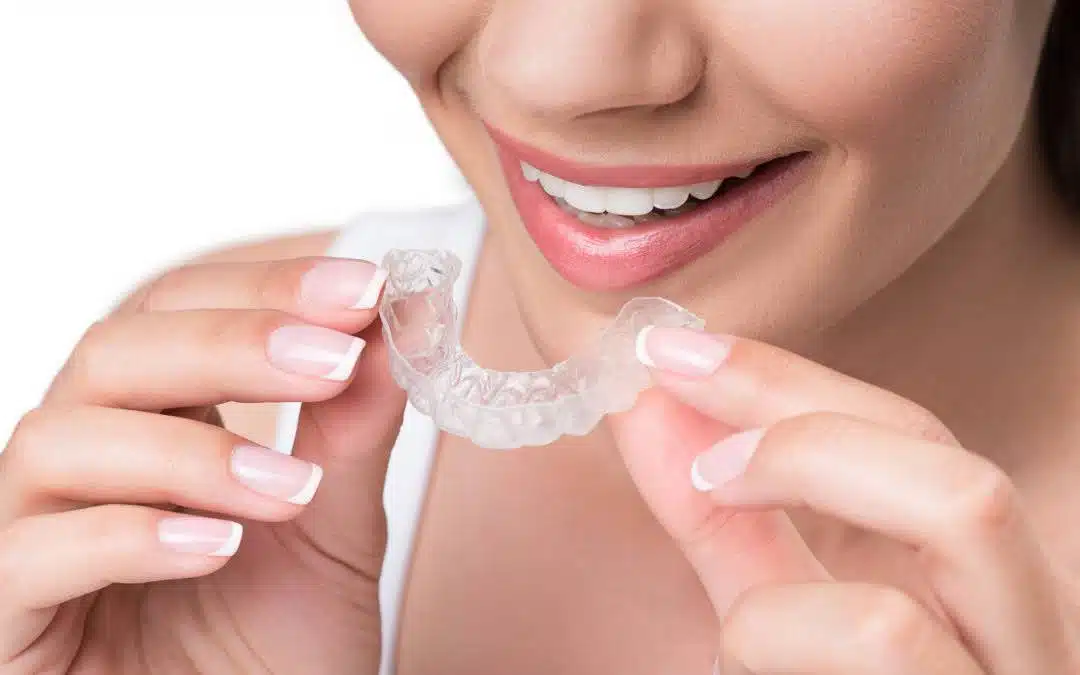
To understand effectiveness, it helps to know how do Invisalign aligners work. Invisalign uses a series of custom-made, clear plastic trays that fit snugly over your teeth. Each aligner is designed to apply gentle, controlled pressure to specific teeth, moving them gradually into better alignment.
Treatment begins with digital impressions or scans of your teeth. Using advanced planning software, your orthodontist maps out the entire sequence of tooth movement from start to finish. You then receive a series of aligners, each worn for about one to two weeks before moving to the next set. Over time, these small adjustments add up to meaningful changes in alignment and bite.
Unlike braces, Invisalign aligners are removable. This means patients can take them out to eat, brush, and floss, which is one of the reasons they are popular with both teens and adults.
How Effective Are Invisalign Aligners for Teeth?
Invisalign aligners for teeth are clinically proven to be effective for many orthodontic concerns, particularly mild to moderate alignment issues. Their effectiveness comes from precise digital planning combined with consistent wear, typically 20 to 22 hours per day.
For appropriate cases, Invisalign can achieve results that are comparable to braces. Modern aligner technology allows orthodontists to guide tooth movement with impressive accuracy, especially when patients follow instructions closely and attend regular check-ins.
That said, Invisalign is not a one-size-fits-all solution. Effectiveness is highest when treatment goals are realistic, case selection is appropriate, and refinements are used when needed to fine-tune results.
What Dental Issues Can Invisalign Treat Effectively?
Invisalign teeth aligners are commonly used to address a range of orthodontic concerns, including:
- Mild to moderate crowding
- Spacing issues or gaps between teeth
- Minor overbites and underbites
- Crossbites and open bites within certain limits
- Relapse after previous orthodontic treatment
For many teens and adults, these issues can be corrected predictably with aligners. The ability to visualize tooth movement in advance also helps patients understand what outcomes are achievable before treatment begins.
When Invisalign May Not Be the Best Option
While Invisalign has advanced significantly, there are still situations where it may not be the most effective approach. More complex cases, such as severe bite discrepancies, significant jaw alignment issues, or certain tooth rotations, may respond better to braces or other orthodontic systems.
In these situations, fixed appliances can provide greater control over tooth movement. An experienced orthodontist will evaluate not only tooth alignment, but also jaw relationships, facial balance, and long-term stability before recommending a treatment option.
Invisalign vs Braces — Effectiveness Comparison
| Factor | Invisalign | Traditional Braces |
| Effectiveness | Highly effective for mild–moderate cases | Effective for mild–complex cases |
| Comfort | Smooth aligners, less irritation | May cause irritation from brackets |
| Visibility | Clear and discreet | Highly visible |
| Compliance | Requires consistent wear | Always working |
| Treatment complexity | Best for selected cases | Suitable for all complexities |
Both systems can deliver excellent results. The right choice depends on case complexity, lifestyle, and patient preference.
What Affects Invisalign Treatment Success?
Several factors influence how successful Invisalign aligner treatment can be:
- Wear time consistency:
Aligners must be worn as prescribed. Inconsistent wear is one of the most common reasons treatment slows or results fall short. - Case complexity:
Straightforward alignment issues respond more predictably than complex bite corrections. - Orthodontist experience:
Proper planning, refinements, and monitoring play a major role in outcomes. - Follow-up care:
Regular check-ins ensure aligners are tracking correctly and adjustments are made when needed.
When these elements work together, Invisalign can deliver reliable and lasting results.
Invisalign Treatment Timeline and What to Expect
Treatment length varies based on individual needs, but many Invisalign cases last between 12 and 18 months. Some minor corrections may take less time, while more involved cases may require longer.
A typical Invisalign process includes:
- Initial consultation and digital records
- Customized treatment plan and aligner fabrication
- Wearing each aligner set for one to two weeks
- Periodic orthodontic check-ins
- Refinements if needed
- Retention phase to maintain results
Understanding the timeline helps patients stay engaged and committed throughout treatment.
Expertise Behind Invisalign at Hilton Diminick Orthodontics
At Hilton Diminick Orthodontics, Invisalign treatment is guided by a collaborative team approach. The orthodontists — Dr. Edward Hilton, Dr. Kenneth Diminick, Dr. Joseph Diminick, Dr. Katherine Hilton, and Dr. Melissa Seidel — bring decades of combined experience to treatment planning.
Their background includes board certification, ongoing continuing education, and a shared philosophy that prioritizes precision, long-term stability, and patient understanding. This collective expertise helps ensure Invisalign cases are selected and managed thoughtfully.
Frequently Asked Questions About Invisalign Aligners
1.Are Invisalign aligners as effective as braces?
For many mild to moderate cases, Invisalign can be just as effective as braces when worn consistently.
2.How long does Invisalign treatment usually take?
Most treatments last 12–18 months, though timelines vary based on complexity and compliance.
3.Does Invisalign work for adults?
Yes. Invisalign clear aligners are widely used by adults and can be very effective when properly planned.
4.What happens if aligners aren’t worn enough?
Teeth may not move as planned, which can delay treatment or require additional refinements.
5.Are the results of teeth Invisalign treatment permanent?
Results can be long-lasting when patients wear retainers as recommended after treatment.
Conclusion: Is Invisalign the Right Choice for Your Smile?
Invisalign Aligners for teeth have proven to be an effective orthodontic solution for many teens and adults, especially when treatment is carefully planned and aligners are worn consistently. For suitable cases, clear aligners can deliver predictable improvements in teeth alignment, comfort, and overall smile appearance—without the visibility of traditional braces.
However, effectiveness is not universal. Factors such as case complexity, patient compliance, and professional orthodontic oversight all play a crucial role in achieving successful results. This is why precise treatment planning and ongoing supervision matter just as much as the aligners themselves.
At Hilton Diminick Orthodontics, Invisalign care is approached with a focus on individualized planning, long-term stability, and collaborative clinical expertise. Evaluating each patient’s needs carefully helps ensure that Invisalign is recommended only when it is the most effective option for achieving healthy, lasting results.
Scheduling an Invisalign Consultation
If you’re considering Invisalign Aligners for teeth and want to know whether it’s an effective option for your specific needs, a personalized orthodontic consultation is the best next step. A thorough evaluation can clarify what Invisalign can achieve for your smile and help you move forward with confidence.


OFFICE HOURS
HARRISBURG AND CAMP HILL
MON-TUE: 8:00 AM – 5:00 PM
WED-THU: 7:30 AM to 4:00 PM
FRI-SUN: CLOSED
CARLISLE
MON-TUE: 7:30 AM – 4:30 PM
WED: 7:30 AM to 4:00 PM
FRI: 8:00 AM – 1:00 PM
THU,SAT,SUN: CLOSED


Areas Served
© Copyright 2026 – Hilton • Diminick Orthodontics. Orthodontic Marketing & Website Design by Ortho Marketing . Accessibility
 Camp Hill, PA
  Camp Hill, PA