

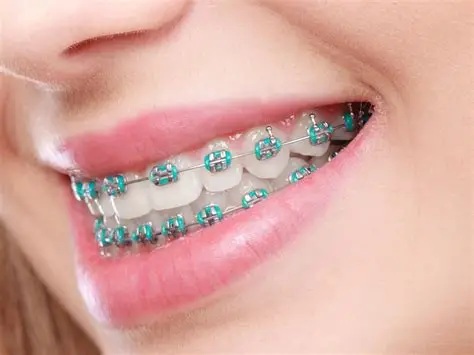
Braces have been used for decades to transform smiles, but many patients still wonder exactly how do braces work to move teeth. The process may seem mysterious, yet orthodontics relies on proven science to gently guide teeth into their ideal positions. Understanding how braces function helps patients feel more confident about beginning treatment.
Braces are more than metal brackets and wires. They are carefully designed systems that apply steady, controlled pressure to the teeth and jawbone. Over time, this pressure stimulates natural bone remodeling, which allows teeth to shift gradually into alignment. While every patient’s journey is unique, the steps remain consistent: braces place gentle force, the body responds by adapting bone and tissue, and the smile becomes healthier and more balanced.
In this guide, we’ll walk through the complete process of braces. You’ll learn what braces are made of, the science behind tooth movement, the different types available, and the benefits they provide beyond straight teeth. We’ll also highlight what to expect during treatment and how our team at Hilton Diminick Orthodontics supports patients every step of the way.
How Do Braces Work and What Is Their Purpose?

Braces are orthodontic devices designed to correct the alignment of teeth and jaws. At their core, they consist of brackets, wires, and elastic components that work together to gradually move teeth into healthier positions. Patients often ask, how do dental braces work, and the answer lies in their ability to apply steady, gentle pressure over time. This pressure helps guide teeth into alignment while supporting overall bite function.
The purpose of braces for teeth extends far beyond creating a straight smile. Crowded, crooked, or misaligned teeth can lead to uneven wear, jaw strain, and difficulties with oral hygiene. By improving alignment, braces reduce the risk of tooth decay, gum disease, and long-term dental issues. They also help correct bite concerns such as overbites, underbites, and crossbites, which can affect speech and chewing efficiency.
Braces also have an important emotional benefit. A well-aligned smile often boosts confidence and encourages patients to feel more comfortable in social and professional settings. At Hilton Diminick Orthodontics, braces are seen as an investment not only in dental health but also in overall quality of life. Understanding how braces work makes it clear that they provide both functional and cosmetic advantages for patients of all ages.
How Braces Move Teeth: The Science Explained
Many patients are curious about the biological process behind braces and ask, how do teeth braces work to change a smile. The answer lies in the way our bodies naturally respond to gentle, consistent pressure applied over time.
Braces use brackets, wires, and elastics to place controlled force on the teeth. When this force is applied, it creates a slight tension on one side of the tooth and a small compression on the other. The body responds to this pressure through a process called bone remodeling. Specialized cells break down bone in areas where the tooth is moving away, while new bone is formed in the space it is moving toward. This ongoing cycle allows teeth to gradually shift without damaging the surrounding tissues.
Understanding how do braces work also involves looking at the role of the periodontal ligament, which connects each tooth to the bone. The ligament acts like a cushion, sensing pressure and signaling the body to adapt. With time and regular adjustments from an orthodontist, teeth continue to move in small increments until they reach their ideal positions.
This process may sound complex, but it happens in a safe and predictable way. Hilton Diminick Orthodontics carefully monitors each step, ensuring that the pressure applied is gentle enough to be comfortable but effective enough to create lasting results. By working with the body’s natural healing ability, braces create a straighter, healthier smile that feels as good as it looks.
Components of Braces Explained
When patients look at braces, they often see just metal and wires, but there is much more to the system. To truly answer how do braces actually work, it helps to understand each part and its role in guiding tooth movement.
Brackets are the small square pieces bonded directly to the front of each tooth. They act as anchors, holding the archwire in place. Archwires run through the brackets and are the driving force behind movement. By applying gentle pressure, the wire helps direct teeth into their new positions.
To keep everything secure, orthodontists use ligatures, which are tiny rubber bands or metal ties that hold the archwire in place within each bracket. Ligatures also allow for flexibility in adjustments during routine visits. Elastics, another common component, are removable rubber bands stretched between upper and lower brackets. They help correct the bite by guiding how the upper and lower teeth fit together.
Together, these parts work as a coordinated system. The brackets and ligatures hold the wire steady, while the archwire provides continuous force. Elastics add another layer of guidance for more complex movements.
This system is why patients often ask how dental braces work so effectively despite their simple appearance. The answer is that every piece has a specific purpose, and when combined, they create steady progress toward a healthier bite and straighter teeth. At Hilton Diminick Orthodontics, we use modern, precise components designed for comfort and dependable results.
Types of Braces and How They Work
One of the most common questions patients ask is how do braces fix teeth when there are so many different types available. The truth is, each option works on the same principle of applying gentle pressure, but the style and features vary to suit different needs.
Traditional metal braces are the most widely used. They rely on durable stainless steel brackets and wires, making them effective for even the most complex cases. Their main advantage is reliability, though their visibility can be a drawback for patients who prefer a more discreet option.
Ceramic braces work much like metal braces but use tooth-colored or clear brackets that blend with natural teeth. They are less noticeable but can be more delicate than metal.
Lingual braces are attached to the back side of the teeth, making them invisible from the front. While they are highly discreet, they can be more difficult to clean and may feel less comfortable at first.
Clear aligners, such as Invisalign, offer a removable and nearly invisible alternative. They are best for mild to moderate alignment issues and allow patients to eat and brush normally. However, they require consistent wear to be effective.
No matter which type is chosen, the science behind how braces straighten teeth remains the same. Each system gradually shifts teeth into their correct positions. At Hilton Diminick Orthodontics, patients receive guidance on selecting the option that fits their lifestyle, dental health, and personal goals.
Braces Explained: Timeline and What to Expect
Starting orthodontic treatment is an exciting step, and patients often want to know what the process involves. While every case is unique, the journey typically follows several predictable phases.
The first step is the consultation, where an orthodontist evaluates the bite, takes digital scans or X-rays, and creates a personalized treatment plan. Once a plan is in place, the fitting appointment begins. During this visit, brackets are bonded to the teeth, wires are attached, and patients learn how to care for their braces.
After braces are placed, adjustments are scheduled every few weeks. These visits allow the orthodontist to tighten or replace wires, check progress, and make sure teeth are moving as planned. This phase continues until the teeth have shifted into their proper alignment.
When the braces come off, the final phase is retention. Patients are given retainers to help hold their new smile in place while the bone and tissues stabilize.
The average treatment time can range from 18 to 24 months, depending on complexity. Throughout this process, patients at Hilton Diminick Orthodontics receive consistent support, ensuring that the path to a straighter smile is clear, comfortable, and guided by expert care. This is exactly how do braces work to create lasting results.
Benefits of Braces Beyond a Straight Smile

Braces do more than create an attractive smile. Patients often ask, how do orthodontic braces work to improve overall health, and the answer goes far beyond appearance.
One of the greatest benefits is improved oral health. Straight teeth are easier to brush and floss, which reduces the risk of cavities, gum disease, and plaque buildup. Braces also correct bite problems, making chewing and speaking more efficient while reducing strain on the jaw.
Another long-term benefit is dental stability. Correct alignment prevents uneven wear, tooth shifting, and potential bone loss around the teeth. These changes help maintain dental health for years to come.
Braces also bring an important boost to confidence. A balanced, healthy smile allows patients to feel more comfortable in social, school, and professional settings. At Hilton Diminick Orthodontics, braces are seen as a treatment that improves both quality of life and lasting dental wellness.
Hilton Diminick Orthodontics: Patient-Centered Care
Choosing an orthodontist is about more than straightening teeth—it’s about finding a team you can trust throughout your treatment. At Hilton Diminick Orthodontics, patients benefit from advanced technology, a supportive staff, and years of proven expertise. Our offices in Harrisburg, Camp Hill, and Carlisle are designed to make every visit comfortable and stress-free, whether you’re just beginning treatment or coming in for a routine adjustment.
Modern tools such as digital imaging and precise treatment planning allow our orthodontists to deliver accurate results while minimizing discomfort. Our team also takes the time to answer questions, explain each step, and guide patients through their journey with care and understanding.
When patients ask how do braces work, we not only provide the science but also the reassurance that they are in skilled hands. That commitment to patient-centered care is why so many families in Harrisburg, Camp Hill & Carlisle trust Hilton Diminick Orthodontics with their smiles.
Conclusion
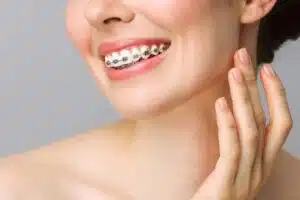
Understanding how do braces straighten your teeth? helps patients feel confident about beginning their orthodontic journey. Braces are more than brackets and wires—they are carefully designed systems that use gentle pressure and natural biological processes to create lasting change. From correcting bite problems to improving oral health and boosting self-confidence, braces deliver benefits that extend far beyond appearance. At Hilton Diminick Orthodontics, every patient receives personalized care and guidance throughout treatment. If you’re ready to achieve a healthier, straighter smile, our team is here to help you start the process with confidence.
Start Your Smile Journey with Hilton Diminick Orthodontics
Your new smile is closer than you think. At Hilton Diminick Orthodontics, our team is here to guide you every step of the way. From your first consultation to the moment your braces come off, we combine advanced technology, personalized care, and a supportive environment to make treatment a positive experience.
If you’ve been wondering how braces can transform your smile, now is the time to find out. Schedule your consultation today and take the first step toward a healthier, more confident future.


OFFICE HOURS
HARRISBURG AND CAMP HILL
MON-TUE: 8:00 AM – 5:00 PM
WED-THU: 7:30 AM to 4:00 PM
FRI-SUN: CLOSED
CARLISLE
MON-TUE: 7:30 AM – 4:30 PM
WED: 7:30 AM to 4:00 PM
FRI: 8:00 AM – 1:00 PM
THU,SAT,SUN: CLOSED


Areas Served
© Copyright 2026 – Hilton • Diminick Orthodontics. Orthodontic Marketing & Website Design by Ortho Marketing . Accessibility
 Camp Hill, PA
  Camp Hill, PA